Experiencing Japan’s School Cleaning Culture
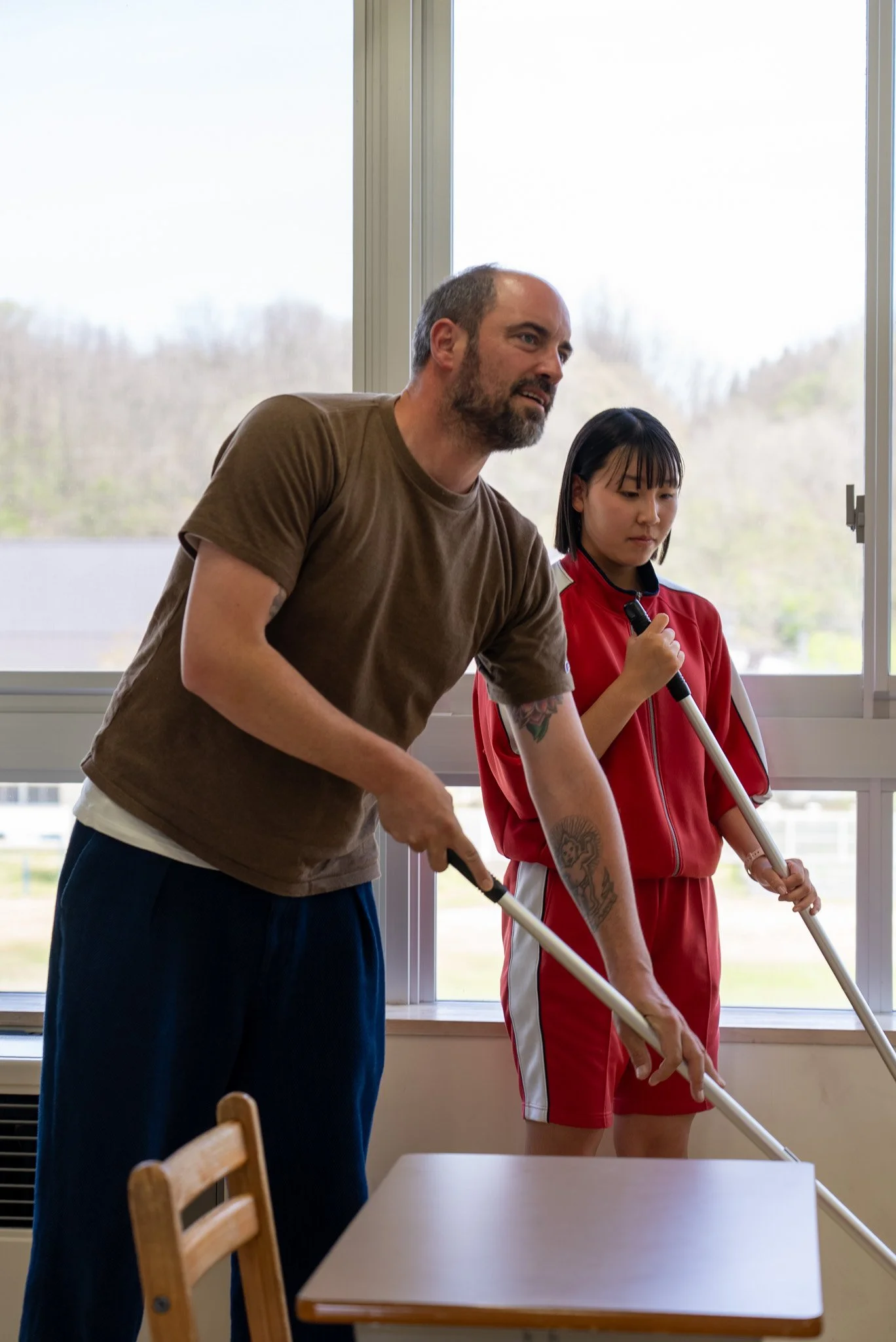
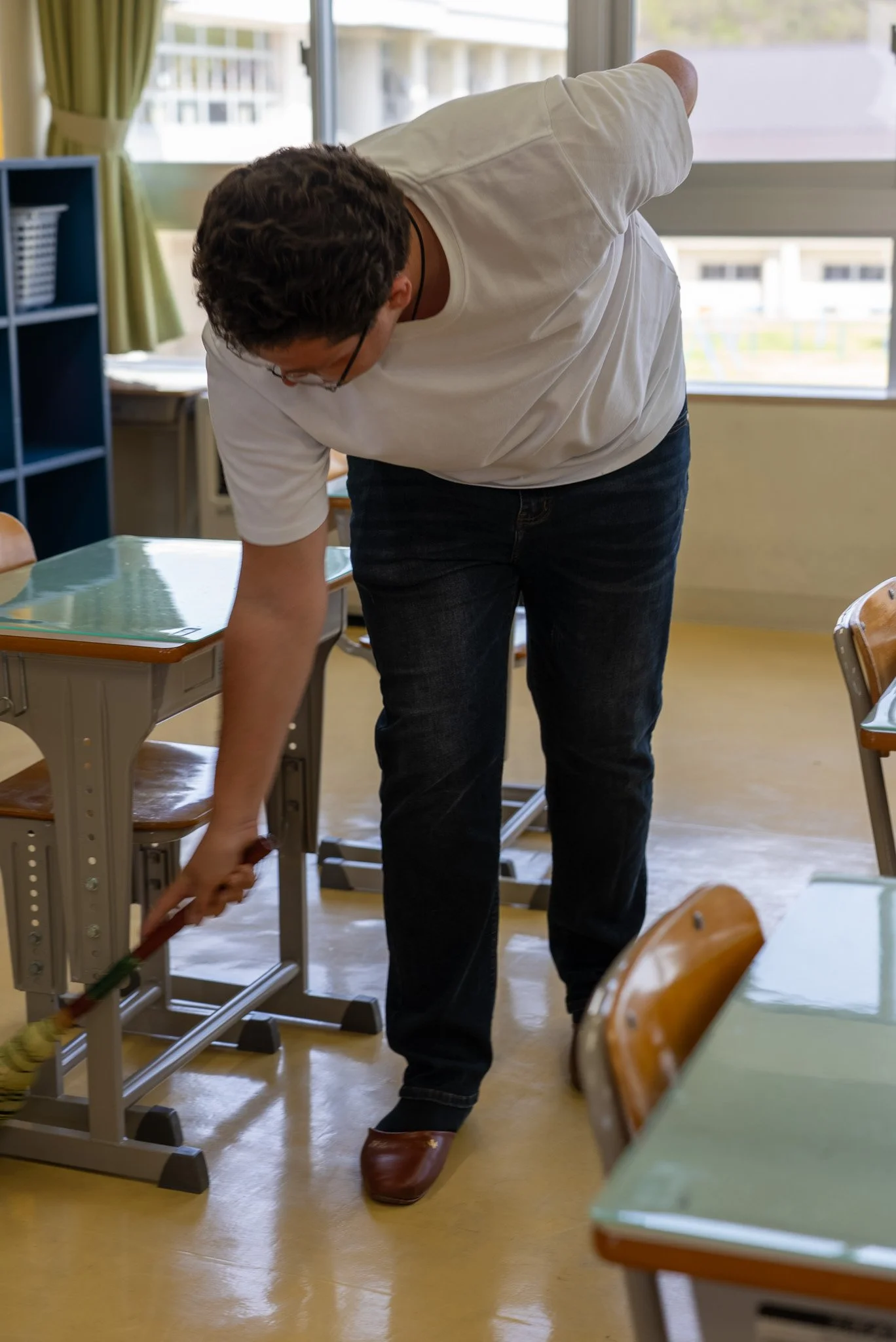
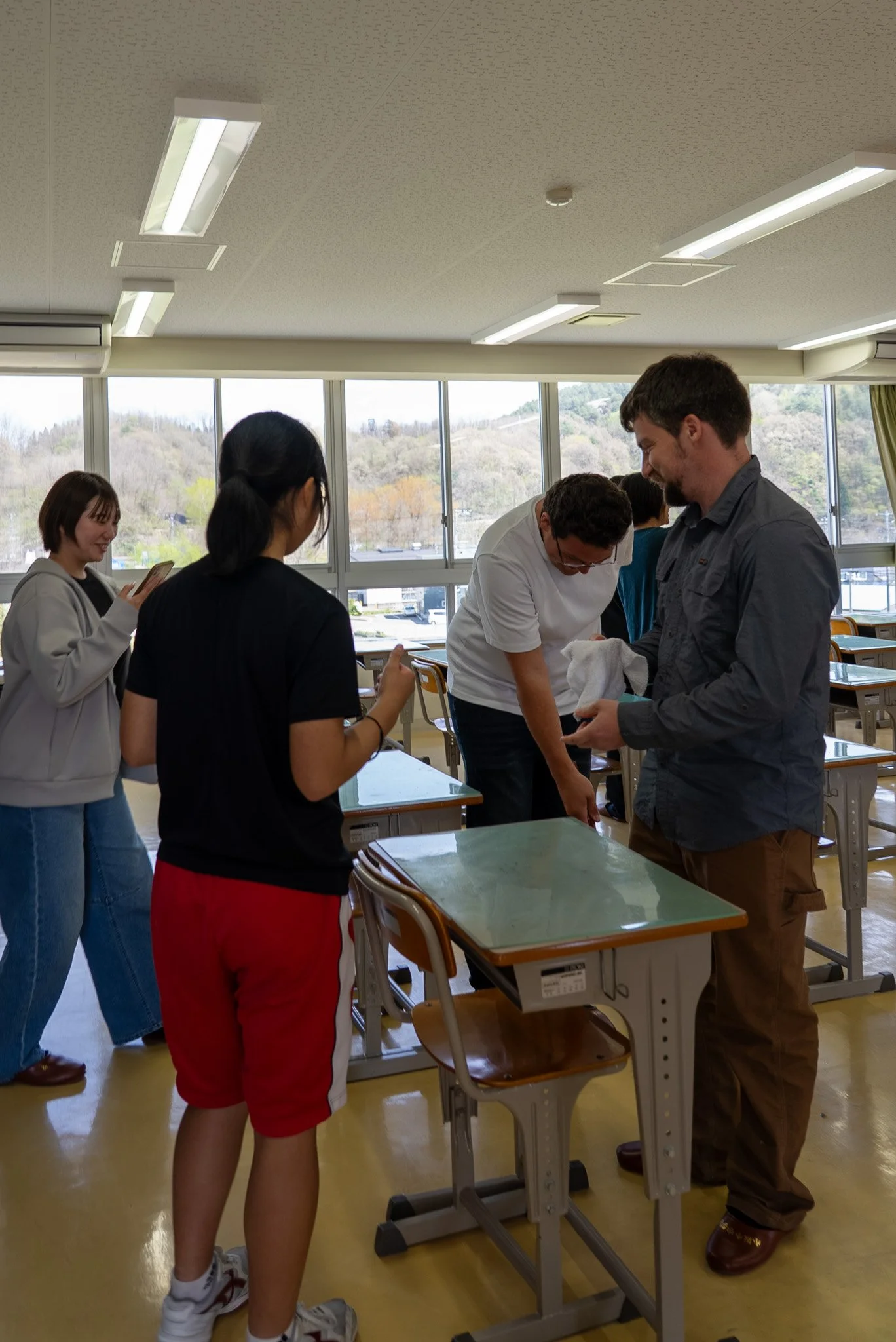
/Recently, we had the opportunity to visit a local elementary school and junior high school during their cleaning time. Together with the local students, our students joined in and helped clean different areas of the school.
For many people outside Japan, this can be a surprising sight. In Japanese schools, students are generally responsible for cleaning the spaces they use every day. At the end of the school day, students work together to clean classrooms, hallways, staircases, and other shared areas before going home.
When talking with our students, some mentioned that this was quite different from what they were used to. In countries such as the United States, for example, schools often have dedicated custodial staff who take care of most cleaning tasks. Because of this, participating in a school cleaning session offered an interesting opportunity to experience a different approach to school life.
Cleaning as Part of Education
In Japan, cleaning is often viewed as more than just a practical task. It is also considered part of the educational experience.
Students learn to take care of the spaces they share with others and develop a sense of responsibility toward their environment. Cleaning duties are usually rotated among groups of students. Depending on the week, students may be responsible for classrooms, hallways, staircases, or restrooms. This system allows everyone to contribute and share responsibility.
Many Japanese people grow up with these routines, so they may seem completely normal. However, when viewed from an international perspective, they reveal an interesting aspect of Japanese culture and education.
Learning Through Experience
Before the visit, we were unsure how our students would feel about participating in a school cleaning activity. After all, it is not something most people expect to do while studying abroad.
In the end, however, the students approached the activity with curiosity and enthusiasm. Working alongside local students gave them a chance to observe daily school life from the inside and experience a small part of what growing up in Japan can be like.
For many participants, the experience sparked conversations about cultural differences, responsibility, and the ways communities maintain shared spaces. It was a simple activity, but one that left a lasting impression.
Sometimes, it is these ordinary moments of everyday life that offer the clearest window into another culture. Rather than learning about Japanese school cleaning from a textbook or a video, our students were able to experience it for themselves.