Study Japanese in Japan: Why Rural Immersion Helps You Speak Real Japanese

Hello, I’m Mia, a Japanese language teacher living in the countryside of Japan.

Today I want to talk about why I decided to teach at a small rural Japanese language school in Akita, and why this place surprised me so much as a teacher.

There are many Japanese language schools in Japan. If you visit their websites, you will often see the same message: “We focus on conversation.”

But in reality, many schools still spend most of their time on things like:

  • Kanji memorization

  • Grammar explanations

  • Textbook exercises

Of course these things are important. But sometimes the result is that students study Japanese a lot without actually speaking very much.

When I first visited this school in rural Akita, I realized something was very different.

A Japanese Language School Focused on Real Conversation

What impressed me the most about this school is how strongly it focuses on communication.

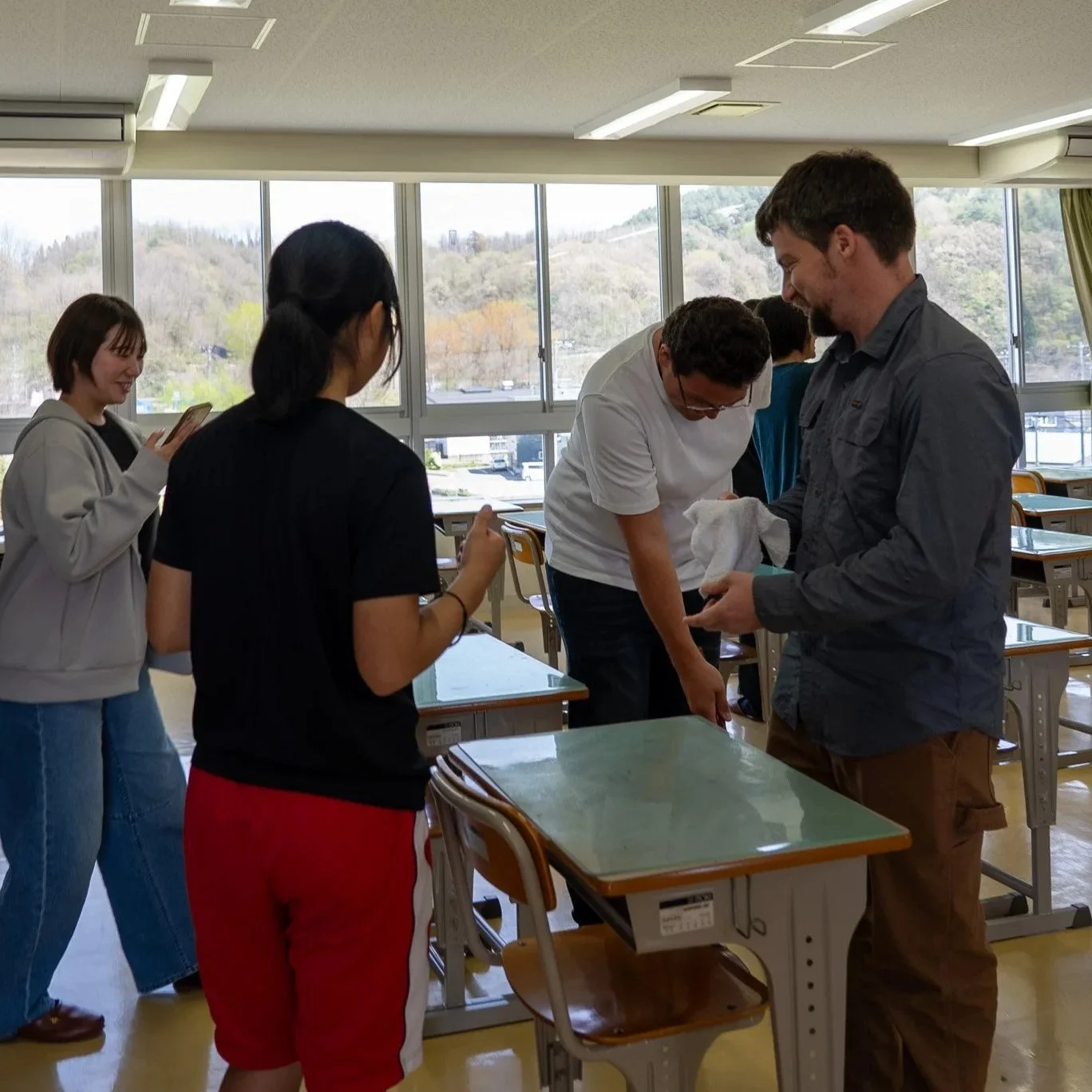
Classes are small, which already makes a big difference. But the teaching style is also very unique. Instead of only sitting and studying textbooks, students often learn through activities such as:

  • Role-playing real-life situations

  • Acting or performing small scenes

  • Practicing conversations based on daily life in Japan

This kind of learning helps students become more confident speaking Japanese in real situations, not just inside the classroom.

But honestly, what impressed me the most was something else.

Learning Japanese Outside the Classroom

Language does not exist only inside a classroom.

Even if you study grammar and vocabulary perfectly, the real Japanese language exists outside the classroom—in everyday conversations, reactions, jokes, and small cultural moments.

Many language schools focus only on what happens during class. After the lesson ends, students go back to their dorms or apartments, and that’s it.

But at this rural school in Akita, something very different happens.

The school places a lot of value on how much students can interact with local people after class.

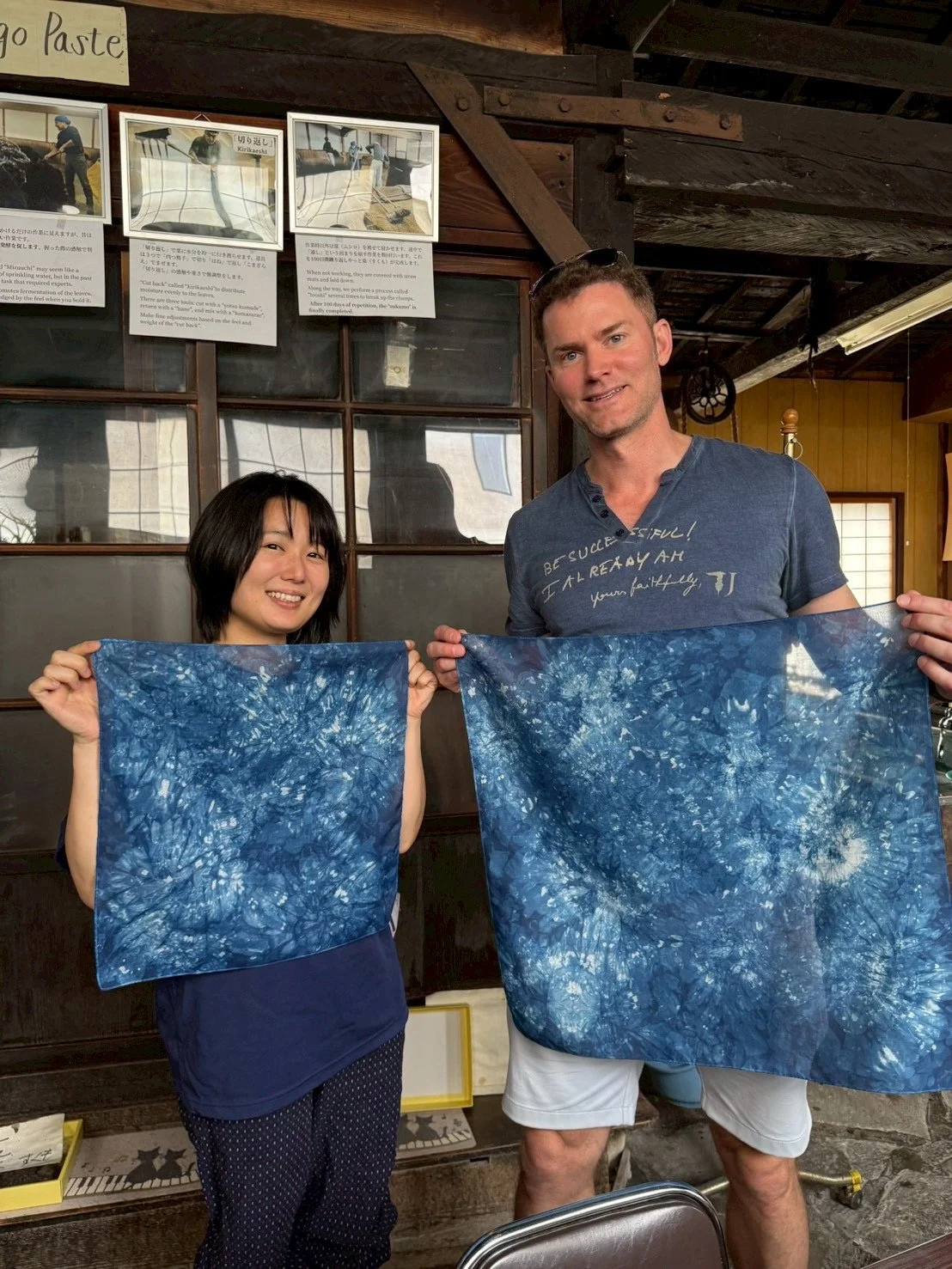
Students meet people from the community, talk with shop owners, join local events, and experience everyday life in Japan.

Through these interactions, students learn things that textbooks cannot teach, such as:

  • How Japanese people react in conversations

  • How people naturally express themselves

  • The cultural context behind communication

In other words, students experience living Japanese, not just studying it.

Why the Local Community Makes Such a Big Difference

Another special thing about studying Japanese in the countryside is the people.

People in rural Japan are often incredibly kind and curious.

Most of them don’t speak English. Because of that, students naturally have to try communicating in Japanese, even if their Japanese isn’t perfect yet.

What I personally love is how local people interact with students.

Sometimes the students don’t fully understand Japanese yet. But local people don’t worry about that—they just start talking anyway :)

They might say many things quickly, tell stories, or ask questions.

Even if the students don’t understand everything, they often feel:

  • Happy that someone talked to them

  • Excited about the interaction

  • Motivated to study Japanese even harder

As a teacher, watching those moments is really heartwarming.

Because language learning is not just about knowledge. It’s also about motivation and emotional connection.

Experiencing the Real Japan Beyond Tokyo

When people think about studying Japanese in Japan, they usually imagine cities like:

  • Tokyo

  • Osaka

  • Kyoto

Of course those places are amazing.

But rural Japan offers something very different.

Life here is slower. People have more time to talk. The community is closer.

And beyond language learning, the environment itself is beautiful.

In the countryside of Akita you can experience:

  • Stunning nature

  • Clear air

  • Quiet nights filled with stars

  • Seasonal landscapes throughout the year

Even though this has nothing to do directly with Japanese language, it adds something important to the experience of studying here.

It reminds students that Japan is much more than big cities.

A Different Way to Study Japanese in Japan

For students who want to:

  • Experience real Japanese communication

  • Interact with local Japanese communities

  • Study in small, conversation-focused classes

  • Discover a different side of Japan

A rural language school like this can be a very special place.

Our school offers seasonal courses throughout the year, usually lasting two or three weeks in spring, summer, autumn, and winter.

These short-term programs allow students to immerse themselves in Japanese language and culture while experiencing everyday life in rural Japan.

Final Thoughts🤍

When I first came here, I was honestly shocked—in a good way.

I realized that this school truly focuses on the essence of language learning: communication, culture, and real human connection.

That’s why I decided to teach here.

And every time I see students laughing with local people, trying their best to speak Japanese, and gaining confidence little by little, I’m reminded again that this place is very special.

If you’re interested in experiencing real Japanese beyond the classroom, I would love to see you here someday.